
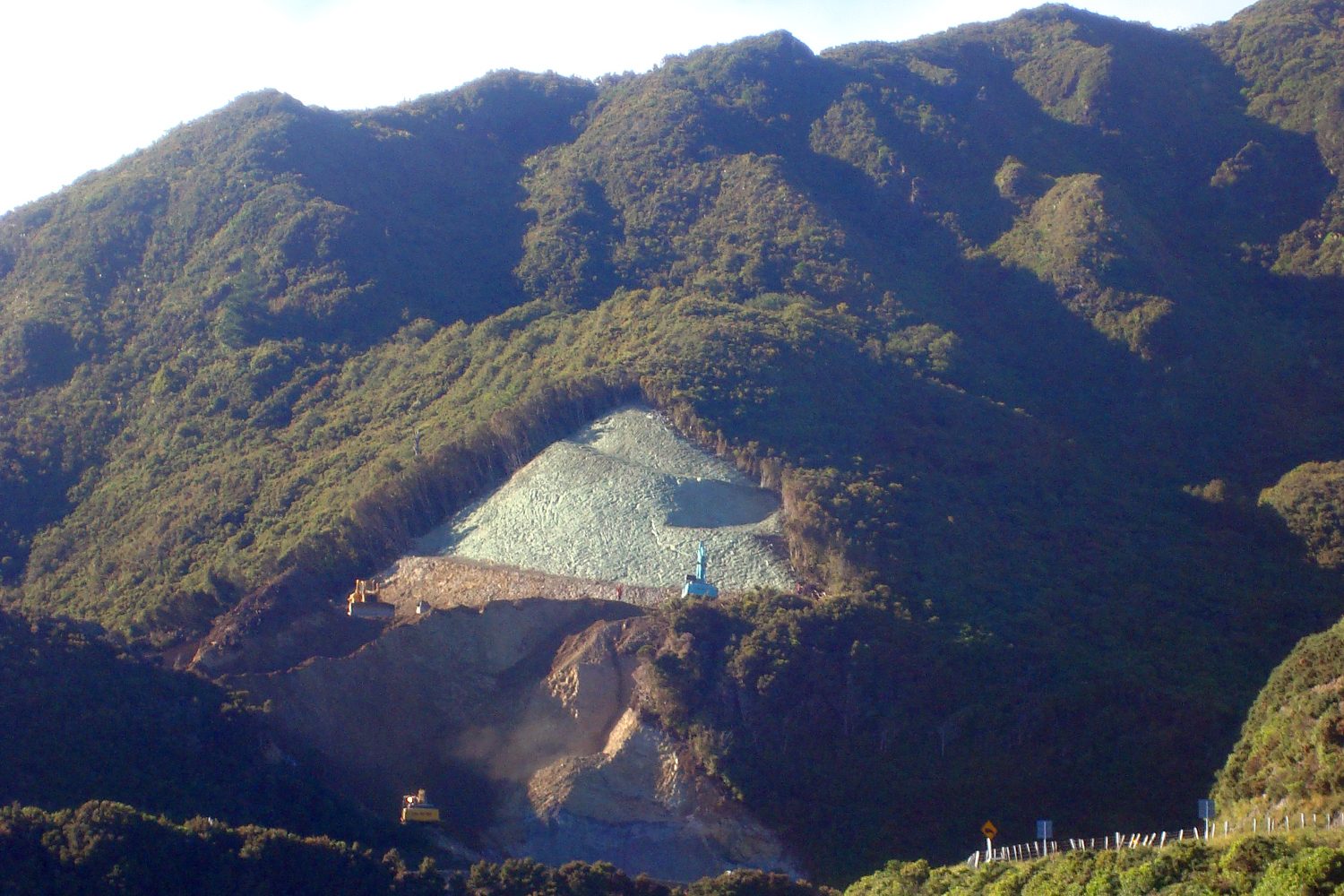
Hydromulching in Wellington
Hydromulching: the most reliable way to establish grass
A heavier application of quality wood-fibre mulch and tackifier locks seed to the soil, so it germinates faster, establishes more evenly and stays put in heavy rain.
The process
Fast, efficient and economical grass planting
Hydromulching is usually more effective than conventional seeding and far more economical than laying turf. The process starts by mixing mulch, seed, fertiliser and water in the tank of a hydromulching machine.
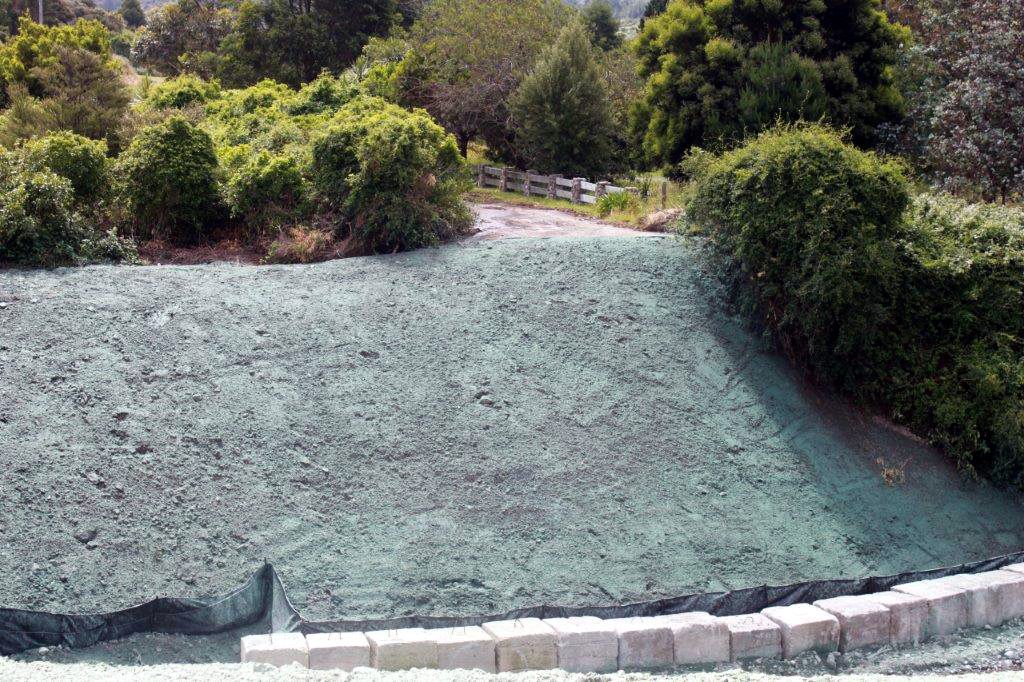
The mix is then pumped from the tank and sprayed onto the ground. Once applied, it creates a micro-environment that boosts germination: quicker sprouting, faster growth and a higher establishment rate than standard methods.
If the ground is prepared smooth and even, the finished grass surface is smooth and even too. That's why golf greens are frequently planted by hydromulching.
Why the mulch matters
The mulch does the hard work while the seed gets going
Wood fibre, not paper
Paper mulch is used where cost is the only concern. Specially processed wood fibre forms a fibrous network in the soil and is what you use when the result matters.
Holds in moisture
Seed needs soil moisture to germinate and grow. Mulch cuts evaporation so the seed gets the most from every drop of rain or irrigation.
Resists erosion
Mulch, bound with a tackifier that glues it to the soil, stops seed washing away and keeps sediment out of streams and waterways.
The gold standard
Why hydromulching is the benchmark for new developments
A high concentration of specialist organic fibres, tackifiers, biostimulants and fertilisers gives seed the best possible start.
- The most uniform distribution of every seed type in the mix
- Seed locked into close contact with the soil or substrate
- Less likely to wash away in heavy rain or suffer in changeable weather
- Mixes can include lawn grasses, pasture, wildflowers, natives, and tree and shrub seed
Uses
Where hydromulching earns its keep
New home lawns are the biggest single use, but almost every construction site needs grass, and the question is simply how good and how reliable it has to be.
- New home lawns
- Golf courses & greens
- Sports fields
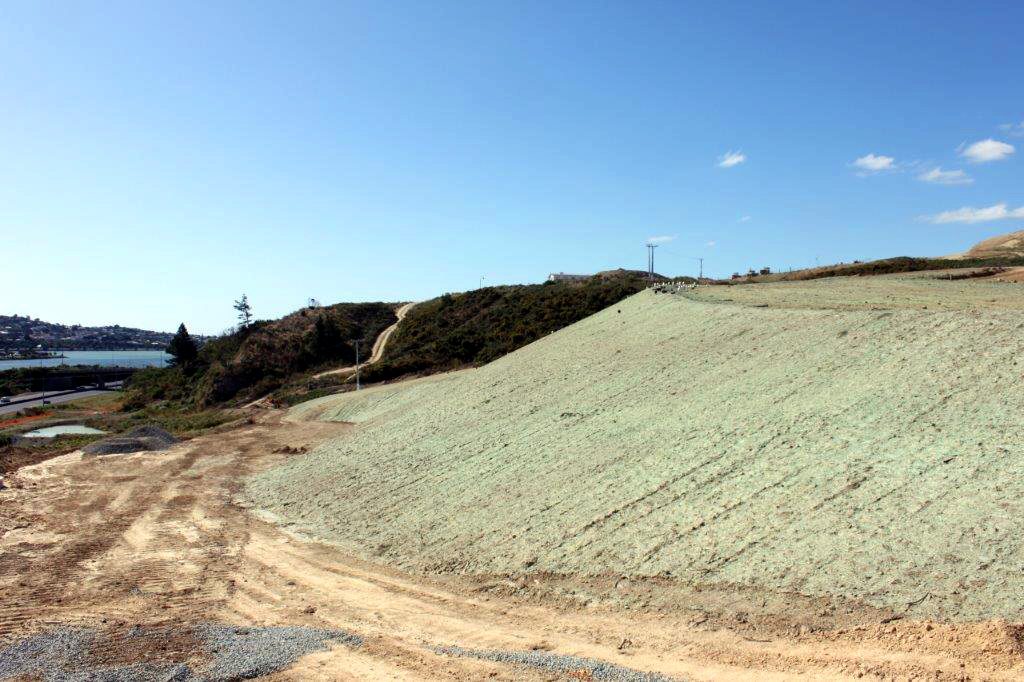
- Highway construction
- Pipeline & power line corridors
- Quarry & site reclamation
- Landscaping projects
- Revegetation
The results
When conditions are favourable, most grasses need mowing and show excellent coverage in under three weeks. Under ideal conditions, turf suitable for a football field can be ready for play in 60 days.
Hydromulching or hydroseeding?
The result you need decides it. Lower-cost hydroseeding suits large, non-irrigated areas in mild conditions, while hydromulching is the choice when the result has to be reliable.
Questions
Hydromulching questions answered
Why is hydromulch green?
Almost all mulches are dyed green. It looks tidier while the grass comes through, and it lets us see exactly how thickly and evenly the mulch has gone down.
Is hydromulch weed-free?
Yes, the mulch itself is weed-free. Weed seed already in the soil may still germinate once it gets moisture and fertiliser, and that's easily dealt with once the grass is established.
When can I start watering?
Leave it for 24 hours so the tackifier can set, then keep it moist. Our new lawn care guide has the full watering schedule.
Free, no-obligation quotes
Tell us about your site and we'll come and take a look
Every job starts with a site visit. We check the soil, the slope and the exposure, then recommend the grass blend and method that will actually last.